Are You Getting Enough Vitamin B12?
Plant-based diets offer many health benefits, including lower risks of heart disease, type 2 diabetes (T2D), and certain cancers. However, thoughtful planning is required for individuals on a vegan diet to ensure sufficient nutrient intake. Nutrient intake ideally comes from a varied and well-planned diet whenever possible. However, in some individuals, supplementation may be necessary. Here’s what to know about B12 and other important supplements when vegan.

Why B12 is essential
Vitamin B12 plays a critical role in red blood cell formation, nerve function, and deoxyribonucleic acid (DNA) synthesis. A deficiency in this vitamin can lead to fatigue, neurological changes, and anemia over time. Natural dietary sources of B12 are found almost exclusively in animal-based foods, such as fish, meat, eggs, and dairy products. Fortified foods such as plant milks and cereals may provide some B12 but are often inconsistent. Reliable supplementation ensures adequate levels of this important vitamin for people following a vegan diet.
Vitamin D supports immunity
Adequate vitamin D intake helps promote bone health, enhances immune function, and reduces inflammation. Exposure to the sun can stimulate natural production of vitamin D, but many individuals do not achieve sufficient levels year-round. For vegans, dietary sources of vitamin D remain limited, and fortified products are often the best way to obtain sufficient amounts of this vitamin. Taking a supplement helps ensure a consistent, controlled intake for vegans who may not get enough vitamin D from diet or sunlight exposure.
Omega-3s for brain health
Crucial for brain function, heart health, and cellular integrity, omega-3 fatty acids are another important nutrient. Common sources include fatty fish, which are not part of a vegan diet. Plant-based options such as flaxseeds and walnuts provide alpha-linolenic acid (ALA), which converts inefficiently to docosahexaenoic acid (DHA) in the body. With dietary sources limited, most vegans should look to an algae-based supplement to ensure optimal intake.
Iron and energy levels
Non-heme iron from plants is less readily absorbed than animal-based sources, but certain foods such as legumes, leafy greens, and fortified grains can help meet daily intake goals. Pairing iron-rich foods with vitamin C can further enhance absorption. For many vegans, supplementation may be necessary when dietary intake does not meet individual needs.
Iron plays a key role in oxygen transport and energy production throughout the body, so aiming for the recommended dietary allowance (RDA) is important.
Balancing diet and supplementation
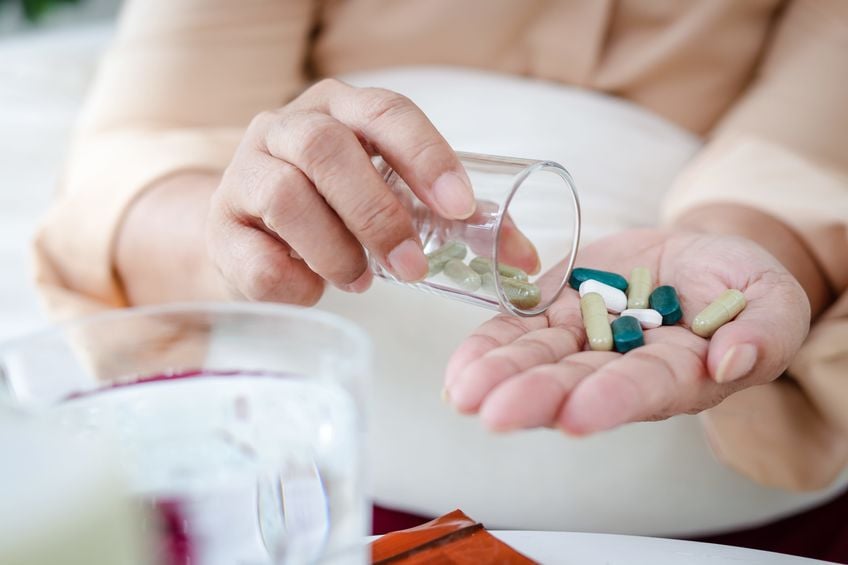
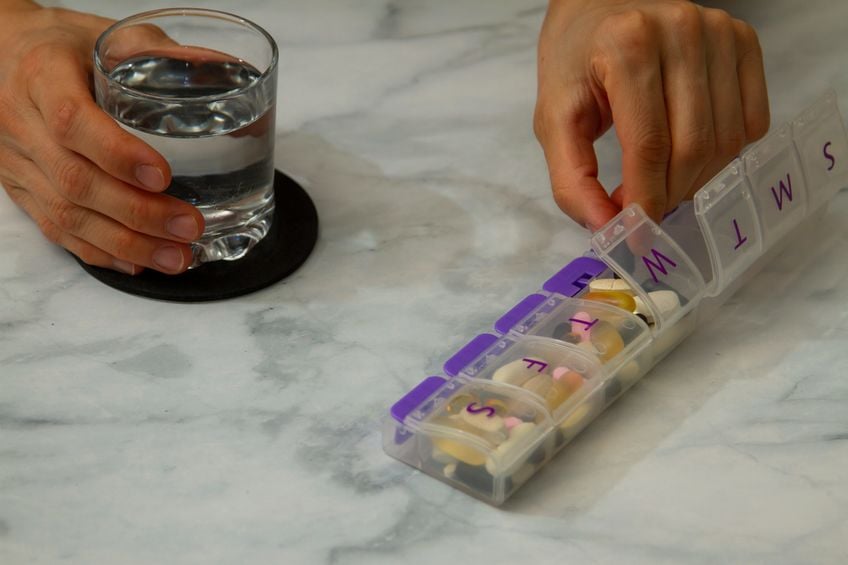
A well-planned vegan diet remains the foundation for meeting nutritional needs. Whole foods should be the starting point for most vitamins and minerals whenever possible. When dietary intake is low, supplementation can help. Focus on optimal levels of B12, vitamin D, omega-3s, and iron for the healthiest approach. Routine monitoring and guidance from a healthcare provider can help determine individual requirements, setting vegans up for success.
Our Patients Say
We pride ourselves on providing exceptional customer service to our community. Here are a few things that the community is saying about us.
Convenient and quality service. Ive never had my prescriptions filled quicker and the pharmacist took the time to tell me about what I was taking.
 ReNue Hampton
Excellent experience! Friendly, knowledgeable staff!
ReNue FriscoI have been a customer since they opened. Julie and Hiten have both treated me with the utmost respect and have always been ready to take care if my needs with a smile
ReNue Plaza