Does Medicine Format Impact Efficacy?
So often, medicine can be found in a variety of formats. For example, acetaminophen, ibuprofen, and even nonsteroidal anti-inflammatories (NSAIDs) are three versions of over-the-counter (OTC) medications that are available in a variety of formulations. For adults, the most common options are circular or oval tablets or liquid gel-caps. Meanwhile, younger children may have liquid versions of these OTCs and eventually graduate to chewable tablets. This variation can also be found in prescription medications, especially if developed at a compounding pharmacy. However, some people may wonder which delivery method is best, pills or liquid.

The case for liquid medicine
Both liquids and pills have unique benefits and drawbacks that should be taken into consideration before choosing a formula. However, liquid medicines tend to be ideal for younger children and adults who can’t swallow pills. Additionally, if faster absorption is a goal, liquids are the preferred option since the digestive system doesn’t have to work as hard to break down the medications. The best scenarios for liquid formulas are when people need fast pain relief or to quickly reduce a fever, when giving a dosage to a younger child or even for older adults who may struggle to swallow pills.
When pills are better
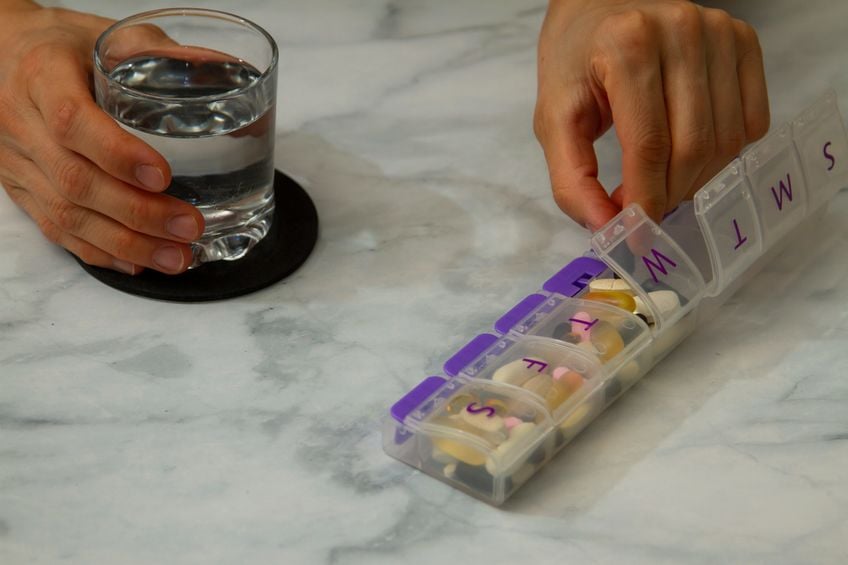
Pills usually include both tablets or gel capsules and are a go-to choice for a variety of reasons. One of the biggest benefits is that pills tend to have a longer shelf life. Additionally, this medication format is more travel-friendly and delivers a precise dose every time. Especially for people who need to take medications for long-term use, pills may be the preferred delivery method.
Risks with liquids
As with any medication, liquid formats aren’t without risks. Specifically, this delivery method isn’t travel-friendly, usually has a shorter shelf life, and can have a nasty taste. The last factor can be a sticking point, especially for younger children with limited palettes that can’t tolerate gross flavors. In extreme cases, an unpleasant taste can encourage vomiting. Additionally, liquid dosages may not be precise, especially if directions aren’t followed properly or a person struggles with accurate measurements.
When pills fail
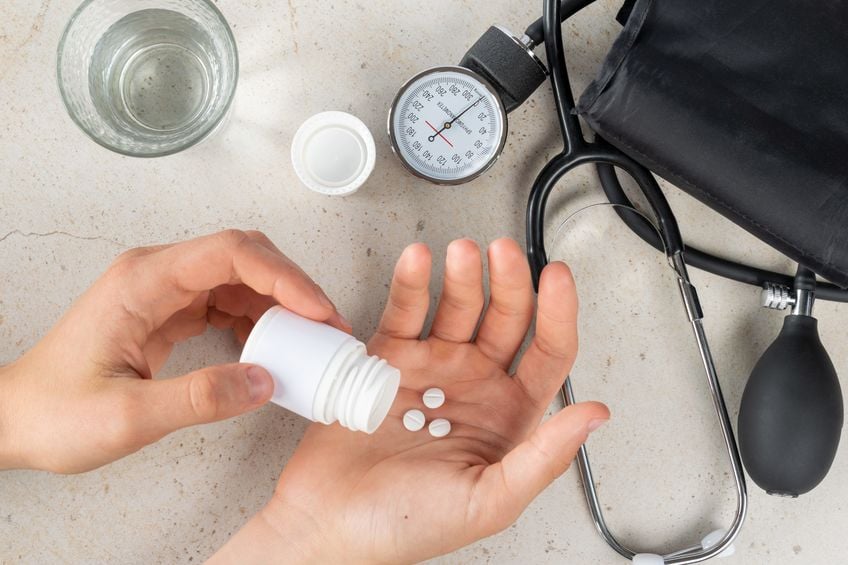
Similar to liquids, pills aren’t without drawbacks. Most issues center around difficulty swallowing the medicine, especially if the tablet or capsule is large. Pills also take longer to break down, with the average timeline being 20-30 minutes. Finally, some people may struggle with stomach irritation depending on the formula ingredients.
Choosing to compound
Traditional pharmacies may not offer many alternatives, especially for prescription medications. In these situations, a compounding pharmacy may be a better choice if a person struggles to take the medicine in the original manufacturer’s formulation. A compounding pharmacy can sometimes shift pills into liquid form or create pills to improve shelf life and product stability. However, not every medication can be reformulated so consider speaking with a healthcare provider or pharmacist before considering compounding.
Our Patients Say
We pride ourselves on providing exceptional customer service to our community. Here are a few things that the community is saying about us.
Convenient and quality service. Ive never had my prescriptions filled quicker and the pharmacist took the time to tell me about what I was taking.
 ReNue Hampton
Excellent experience! Friendly, knowledgeable staff!
ReNue FriscoI have been a customer since they opened. Julie and Hiten have both treated me with the utmost respect and have always been ready to take care if my needs with a smile
ReNue Plaza