
Reactions You Didn’t Expect
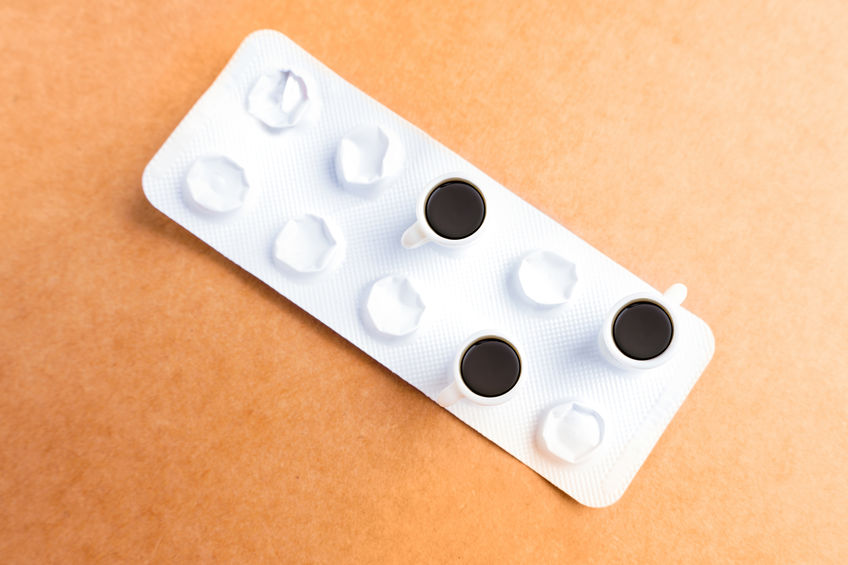
Coffee is a part of many morning routines, but the effect of caffeine on the body can go beyond a simple energy boost. When combined with certain medications, caffeine can lead to unexpected interactions that may have a negative health impact. Interactions include increasing the risk of side effects or reducing medication effectiveness, often in subtle ways that can go unnoticed without careful monitoring.
How caffeine works in the body
This natural stimulant affects the central nervous system, increasing alertness and energy levels. Caffeine works by blocking adenosine receptors in the brain, which helps reduce feelings of fatigue. However, the stimulating effects of caffeine can also influence heart rate, blood pressure, and other bodily functions, which is why caffeine may interfere with certain medications.
Why interactions matter
Medication interactions occur when a substance affects how a drug works in the body. These interactions can increase side effects, reduce effectiveness, or even lead to unexpected health issues. Since caffeine is widely consumed in coffee, tea, energy drinks, and other products, the impact on medications is an important consideration for maintaining treatment success.
1. Getting an energy boost
Stimulants are often prescribed for conditions like attention deficit hyperactivity disorder (ADHD), narcolepsy, or weight-loss aids. Stimulants can help increase focus, energy, and alertness but also stimulate the nervous system. Adding caffeine into the mix can amplify the effects, often in unwanted ways. When combined with caffeine, stimulants can lead to increased heart rate, heightened anxiety, restlessness, or even insomnia. This is because both caffeine and stimulants work by increasing dopamine and norepinephrine activity, which can overstimulate the body.
2. Curing the blues
Certain antidepressants, especially monoamine oxidase inhibitors (MAOIs), can interact negatively with caffeine, leading to potentially serious side effects. MAOIs are prescribed for some cases of depression or anxiety. When combined with caffeine, MAOIs can cause spikes in blood pressure, restlessness, or headaches. Even with other types of antidepressants, caffeine may intensify side effects like jitteriness or trouble sleeping, making managing symptoms harder.
3. Managing blood pressure
Caffeine can interfere with the effectiveness of blood pressure medications, potentially causing blood pressure to remain elevated even when on treatment. Medications like beta-blockers and ACE inhibitors are designed to regulate blood pressure, but the stimulating effects of caffeine can counteract the benefits of these medications. This can lead to symptoms such as headaches or increased heart rate, especially in individuals sensitive to caffeine.
Reducing your intake
While coffee is a daily staple for many, the stimulating effects can lead to unexpected complications. Reducing coffee intake or spacing intake away from medication use can help prevent overstimulation, heightened side effects, or reduced drug effectiveness. Careful attention to caffeine consumption leads to better treatment results and lowers the likelihood of complications.
Our Patients Say
We pride ourselves on providing exceptional customer service to our community. Here are a few things that the community is saying about us.
Convenient and quality service. Ive never had my prescriptions filled quicker and the pharmacist took the time to tell me about what I was taking.
 ReNue Hampton
Excellent experience! Friendly, knowledgeable staff!
ReNue FriscoI have been a customer since they opened. Julie and Hiten have both treated me with the utmost respect and have always been ready to take care if my needs with a smile
ReNue Plaza