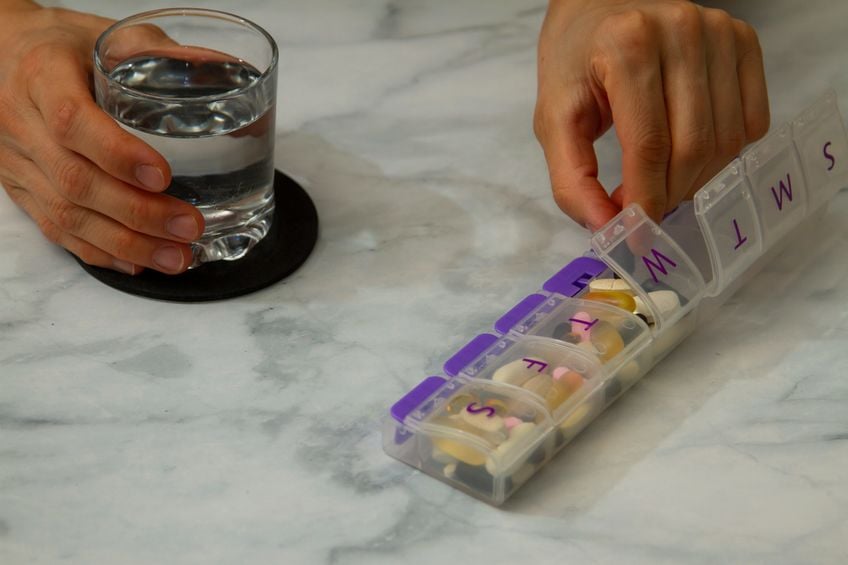
Why Is Swallowing Pills Difficult?
Taking medication can quickly turn stressful when a child struggles with pill swallowing or reacts strongly to bitter flavors. Gagging, spitting medication out, crying, or hiding during medicine time are all common reactions. Large tablets and unpleasant tastes can make children anxious before medication even reaches the mouth. Over time, daily struggles around medication can become exhausting for both children and parents.

Why taste plays such a big role
Many medications naturally have a bitter or metallic taste that children notice immediately. Even flavored liquid medications sometimes leave an unpleasant aftertaste that makes repeat doses harder. Children are often more sensitive to bitterness than adults, which can make medications feel especially intense. Negative experiences with taste can quickly create resistance around future doses.
How customized medications help
Compounding pharmacies can sometimes adjust medications into forms that are easier for children to take. Instead of swallowing large pills, medications may be prepared as flavored liquids, dissolvable forms, or smaller customized doses. Flavor options like grape, strawberry, watermelon, or bubblegum may help reduce bitterness and improve cooperation. The goal is not simply convenience, but making medication routines more manageable and consistent.
When medication feels too big
Pill size alone can become a major barrier for children learning to swallow medication. Some compounded medications can be divided into smaller doses or prepared in forms that feel less intimidating. Even reducing the physical size of a dose can lower anxiety around medication time. Children often respond better when the medication feels easier to handle physically.
Practice can reduce fear
Pill swallowing sometimes improves gradually with practice instead of pressure. Some parents use tiny candies, soft foods like applesauce, or small sips of water to help children get comfortable with the swallowing motion. Building confidence slowly often works better than forcing repeated attempts during stressful moments. Lower-pressure practice can help medication feel less overwhelming over time.
Ingredient sensitivities add challenges
Compounded medications may also help children with sensitivities or ingredient restrictions. Certain compounded formulations can avoid dyes, gluten, lactose, preservatives, or other ingredients that may cause side effects or stomach discomfort. Adjustments can sometimes make medications easier to tolerate physically as well as emotionally.
How pharmacists can help
Compounding pharmacists can help explain which medications can safely be altered and which cannot. Not every medication should be crushed, split, or mixed into food without guidance. Pharmacists may also help recommend flavoring options, timing strategies, or easier delivery methods depending on the medication involved. A conversation with the pharmacy can sometimes uncover options parents did not realize existed.
Making medication timing easier
Medication routines do not always become easy overnight, especially with children who already associate medicine with stress or unpleasant taste. Small adjustments in flavor, size, texture, or routine can sometimes make a noticeable difference over time. A more manageable system can help reduce anxiety around medication and improve consistency with daily doses. Over time, less stressful medication experiences can help build more confidence for both children and parents.
Our Patients Say
We pride ourselves on providing exceptional customer service to our community. Here are a few things that the community is saying about us.
Convenient and quality service. Ive never had my prescriptions filled quicker and the pharmacist took the time to tell me about what I was taking.
 ReNue Hampton
Excellent experience! Friendly, knowledgeable staff!
ReNue FriscoI have been a customer since they opened. Julie and Hiten have both treated me with the utmost respect and have always been ready to take care if my needs with a smile
ReNue Plaza