Empty Or Full Stomach Required?
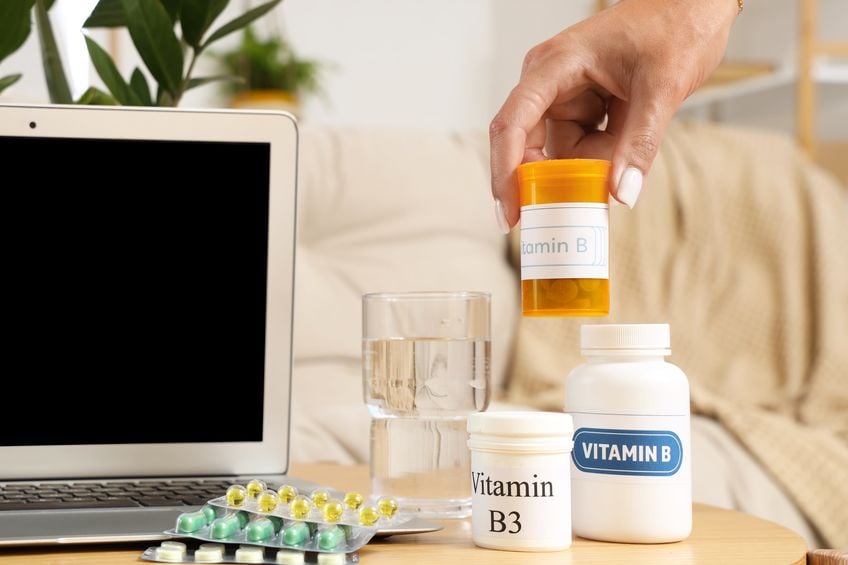
Medication instructions often include guidance on whether the drug should be taken with food, which can create confusion during busy mornings or late evenings. Some medications interact with meals in specific ways that affect absorption, effectiveness, and tolerance. Pharmacists rely on pharmacology principles when recommending whether to take medication on an empty or full stomach. Understanding these principles supports safer and more effective medication use.
Why food matters
Digestion changes how medications move through the stomach and intestines. Food can slow absorption, allowing gentler entry into the bloodstream. Certain medications require fat or bile acids to dissolve properly. Other medications degrade when exposed to stomach acid for long periods of time. Pharmacists evaluate these factors before advising food timing.
Avoiding known dietary interactions
In some cases, certain foods or beverages can negatively interact with medications. A well-known example is grapefruit, which can alter how cholesterol medications work in the body. Dark leafy greens, such as spinach and kale, are high in vitamin K, and intake should be limited while taking blood thinners. Avoiding aged cheese while taking monoamine oxidase (MAO) inhibitors, a type of antidepressant, is essential. Dairy products may reduce the effectiveness of tetracyclines, so steering clear of milk, ice cream, cheese, and yogurt while taking this type of medication is often recommended.
When food is necessary
Some medications irritate the stomach lining when taken on an empty stomach. Food acts as a buffer, reducing nausea, cramping, and discomfort. Anti-inflammatory medications, such as nonsteroidal anti-inflammatory drugs (NSAIDs), should always be taken with food to avoid damaging the stomach. However, users should know that food can also make NSAIDs take longer to work, so treat pain early for maximum effectiveness with minimal side effects. Certain antibiotics should be taken with food to improve absorption. However, there are some exceptions to this rule, so always check with a provider first. Corticosteroids stimulate gastric acid secretion, so stomach upset is a common side effect. Taking corticosteroids with food can help minimize this side effect by neutralizing stomach acid.
When fasting can help
In some cases, taking a medication on an empty stomach is preferred. When no food is present in the stomach, faster absorption and more predictable blood levels are possible. Thyroid medications should typically be taken first thing in the morning. This is because certain foods, such as walnuts, soybean flour, grapefruit juice, milk, and even coffee, can affect absorption. Bisphosphonates, a group of medications used to treat osteoporosis by helping prevent bone breakdown, should also be taken on an empty stomach due to similar absorption concerns. Other medications that should be taken without food include glucagon-like peptide-1 (GLP-1) receptor agonists, proton pump inhibitors (PPIs), and angiotensin-converting enzyme (ACE) inhibitors. Taking medicine on an empty stomach typically means taking the drug either 1 hour before or 2 hours after meals, but always check with a pharmacist for specific directions.
Special situations
Liquid medications and extended-release (ER) tablets have different absorption profiles, so always consult a pharmacist before taking either. Crushing or splitting tablets can change food-related effects. Alcohol may intensify side effects or reduce effectiveness for many medications. High-fat meals may improve the absorption of certain drugs. Some patients will require individualized guidance if taking more than 1 medication. Prescription labels usually specify requirements clearly, but double-checking with a pharmacist is always a good idea.
Clear guidance improves safety
Medication labels and pharmacy counseling provide individualized recommendations on whether to take medications with or without food. By following these guidelines, patients can reduce the risk of side effects, improve effectiveness, and stay healthy. Taking medication doesn’t have to be complicated with expert pharmacist guidance and attention to detail.
Our Patients Say
We pride ourselves on providing exceptional customer service to our community. Here are a few things that the community is saying about us.
Convenient and quality service. Ive never had my prescriptions filled quicker and the pharmacist took the time to tell me about what I was taking.
 ReNue Hampton
Excellent experience! Friendly, knowledgeable staff!
ReNue FriscoI have been a customer since they opened. Julie and Hiten have both treated me with the utmost respect and have always been ready to take care if my needs with a smile
ReNue Plaza